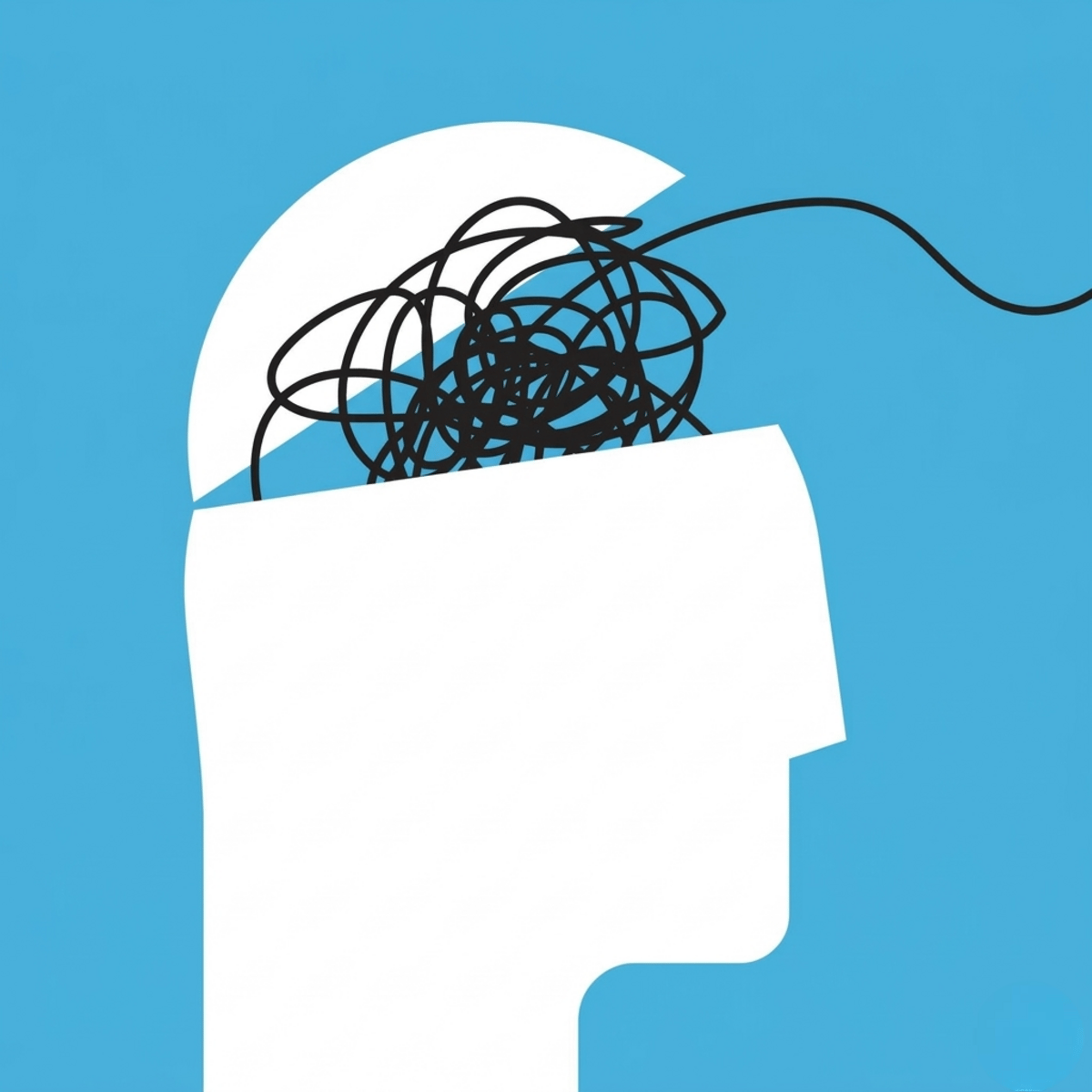
There's a moment most of us know.
Someone says something. A short reply. A missed text. A tone that felt off. A look that lingered too long. And then it hits, not just hurt feelings, but a wave of pain so intense it takes the rest of your day with it.
You know the reaction is bigger than the situation. You can see that. And knowing it doesn't help at all.
This isn't emotional weakness. It's not immaturity. And it's definitely not something you can just push through.
It has a name. Rejection Sensitive Dysphoria. RSD.
And once you understand what's actually happening in your brain when it occurs, the shame around it starts to loosen.
What's actually happening in your brain
The ADHD brain runs on a dopamine system that works differently from neurotypical brains, not just for focus and motivation, but for how emotional experiences get weighted.
When someone's dopamine system works typically, the brain can assess the emotional importance of an event before reacting to it. A cold reply comes in. The brain evaluates it. Decides it probably means nothing. Moves on.
In ADHD, that evaluation step is broken.
The signal hits the amygdala which is the brain's threat detection system and it fires hard. The prefrontal cortex, which is supposed to intercept that alarm and put it into context, is too slow to catch it. Too underconnected. Too late.
By the time your rational brain tries to step in, the emotional response has already taken over.
And because dopamine also governs how much emotional weight we assign to experiences, a perceived rejection doesn't just feel bad. It feels catastrophic. The brain has already marked it as significant before you've had a single thought about it.
The word dysphoria comes from Greek. It means unbearable. That's not an exaggeration. That's a clinical description of what the pain actually feels like.
Why the world makes it worse?
Most of us spent years being too much.
Too sensitive. Too reactive. Too easily hurt. The feedback came from everywhere - school, family, relationships, work. And each round of that feedback didn't just sting in the moment. It trained the brain to stay alert. To scan for signs of rejection before they arrive.
So now the system is hypervigilant. It's not just responding to actual rejection. It's looking for it. Anticipating it. Finding it in ambiguous situations where it may not even exist.
A delayed response becomes evidence of something wrong. A neutral face becomes a sign of disappointment. Constructive feedback becomes confirmation of failure.
Research on ADHD and rejection sensitivity shows that participants often described the anticipation of rejection as more painful than rejection itself. The brain is running a threat model that is almost always set too high, in an environment that keeps confirming its worst predictions.
And then people tell us to stop being so sensitive.
The one thing that changes it
Understanding the mechanism doesn't turn off the pain. But it changes what the pain means.
When RSD hits, it's not proof that something is wrong with you. It's your dopamine system misfiring at a social cue. Your prefrontal cortex losing a race it was always going to lose in that moment.
That is a physiological event. Not a character flaw.
The wave is real. What it means is not.
What helps isn't suppressing the reaction. It's building a small pause between the trigger and your response. Because the story your brain tells in the first thirty seconds is almost always wrong.
A few things that actually help:
Name it out loud. Saying "that's RSD" creates enough distance to question what your brain is building.
Wait. Even fifteen minutes before responding gives your prefrontal cortex time to catch up.
Talk to your doctor about medication. Guanfacine in particular has shown real results for RSD - not by numbing emotion, but by helping the brain regulate the response.
One thing that gets asked in almost every ADHD community when RSD comes up is some version of this: "Why did nobody ever tell me this was a real thing?"
Because for a long time, it wasn't recognized as one. Emotional dysregulation still isn't included in the formal ADHD diagnostic criteria, even though most experts agree it's one of the most impairing parts of the condition.
You weren't misreading the room for all those years. You were dealing with a brain that turned the signal up too high before you ever had a chance to respond.
That's not weakness. That's wiring.
🎧 Podcast

Dr Samantha Hiew is the Founder of ADHD Girls and a neurodiversity and ADHD expert. In this episode, Samantha explains how you can deal with Rejection Sensitive Dysphoria in your personal and romantic life.
The problem was never you. It was always the missing explanation.
Thanks for reading
See you in the next issue

The Spiral Brain